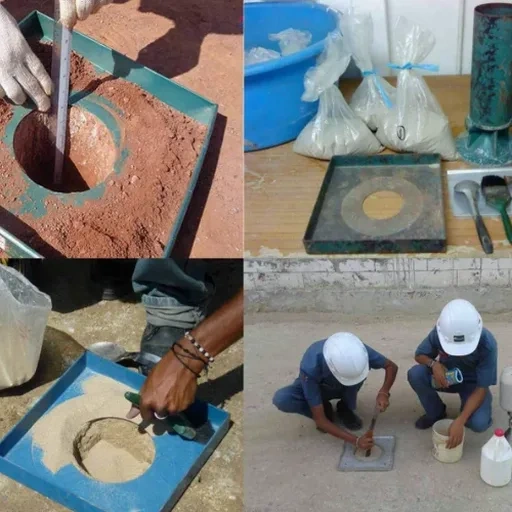
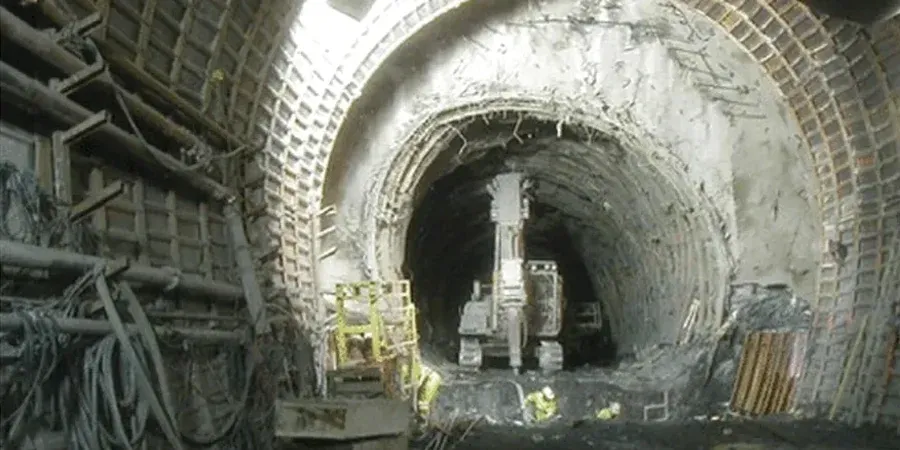
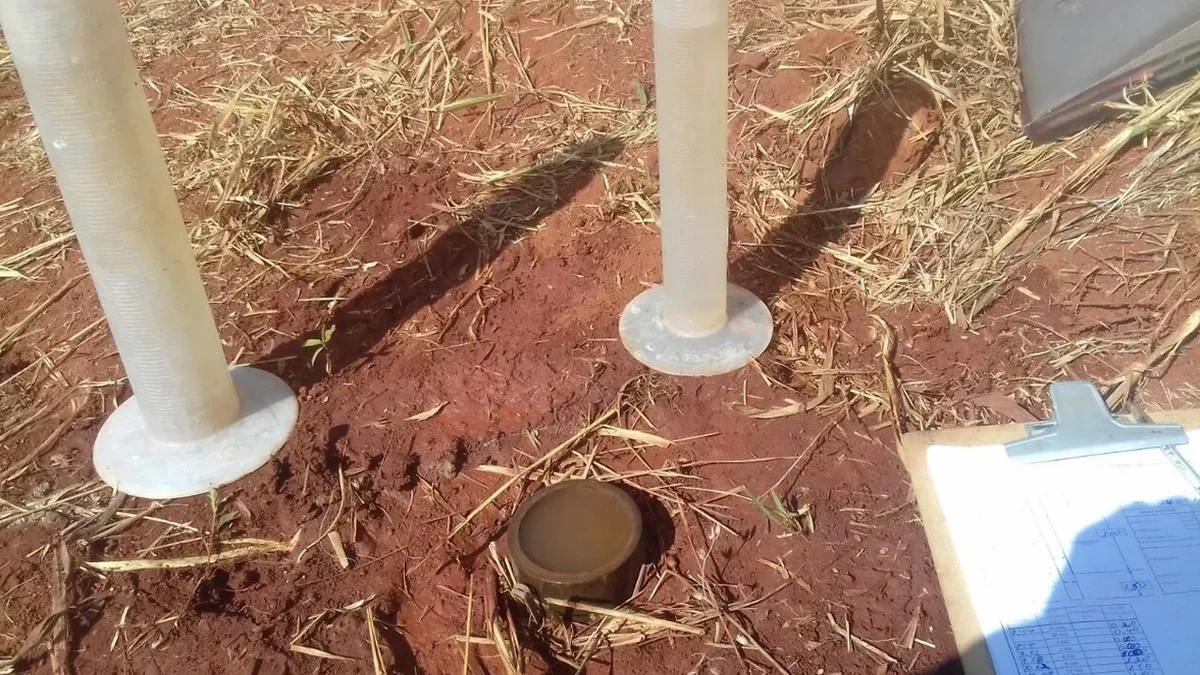
New York’s relentless vertical expansion, from the 1890s skyscraper boom to the present Hudson Yards platform over rail yards, has continually pressed foundations into the complex glacial legacy beneath the streets. The Wisconsin glaciation left Manhattan schist, Inwood marble, and Fordham gneiss draped with erratic till and varved clays, creating a hydrogeological patchwork where water moves unpredictably through fractured rock and layered overburden. For deep excavations near the water table—which sits barely 10 to 20 feet below grade in much of Midtown—engineers rely on in-situ permeability testing to quantify how groundwater will behave during dewatering and permanent drainage design. The Lefranc test provides reliable hydraulic conductivity values in soil and weathered rock zones above the water table, while the Lugeon test evaluates fracture flow in the competent bedrock that anchors New York’s tallest towers. When foundation design requires precise settlement predictions, we often correlate field permeability data with triaxial shear testing to model effective stress changes during construction dewatering sequences.
A single Lugeon test in Manhattan schist can reveal whether a planned 40-foot excavation will require a simple sump pump or a full-scale depressurization system.