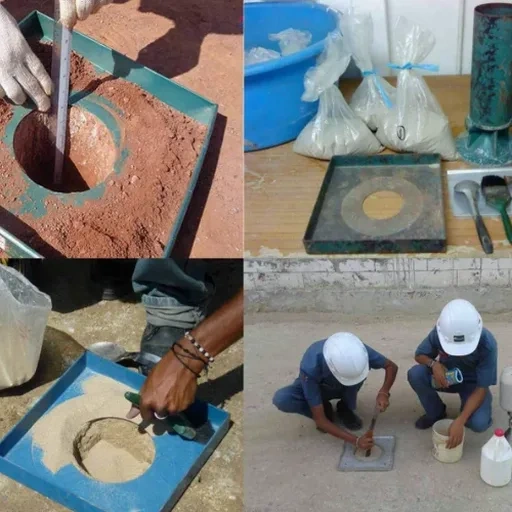
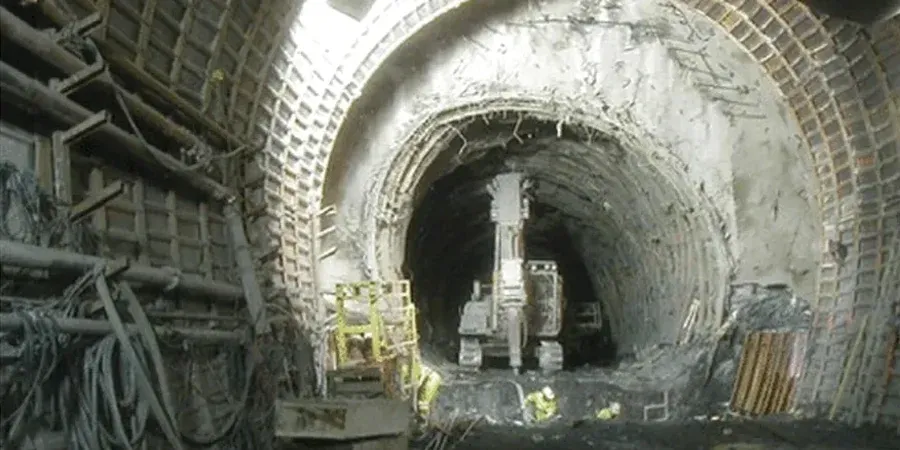
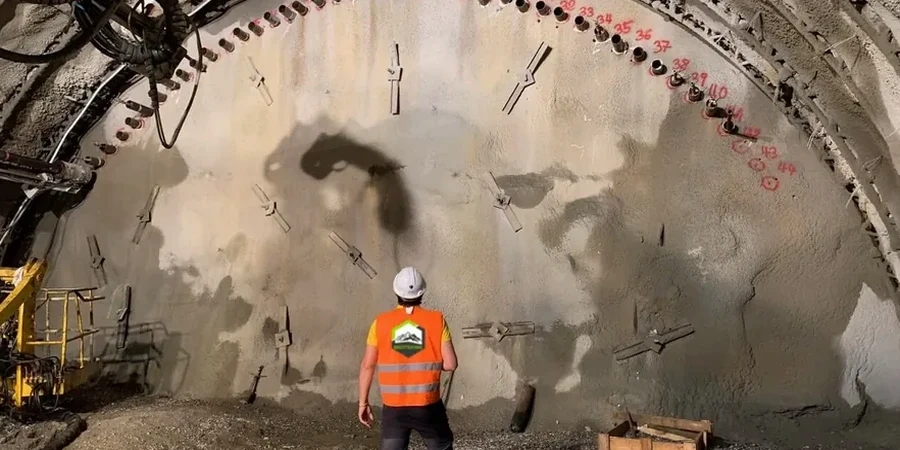
The soil profile in Midtown Manhattan bears little resemblance to what you find in the Flatlands of Brooklyn. The former sits on schist bedrock just a few feet down. The latter is alluvial clay and sand, loose and water-charged. That contrast alone shapes how we approach excavation monitoring across New York City. A 20-foot cut on the East Side of Manhattan behaves entirely differently than one near Jamaica Bay. We track those differences with precision. Our monitoring programs capture ground movement, vibration peaks, and groundwater shifts before they become problems. This kind of data is essential when your excavation is inches from a century-old masonry party wall. We also combine monitoring with CPT testing where glacial till makes SPT unreliable, or with test pits when utilities obscure the stratigraphy near older neighborhoods like Greenwich Village.
In New York City, monitoring is not a checkbox. It is the difference between a controlled excavation and a landmark building settlement claim.