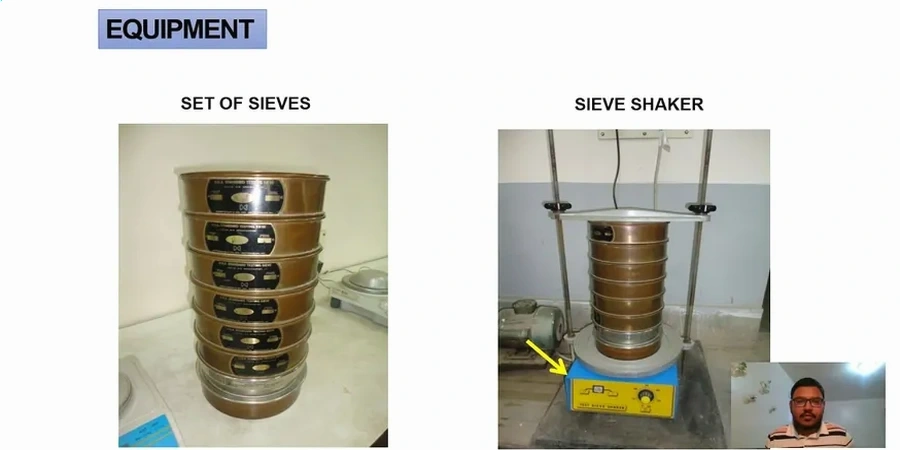
The NYC Building Code and ASCE 7 reference ASTM D2487 for classifying soils, and a complete grain size analysis is the foundational step in that process. Across New York City's five boroughs, subsurface conditions vary dramatically—from glacial till in Staten Island to the deep sand layers beneath Lower Manhattan's skyscrapers. The hydrometer test is equally critical for characterizing the silts and clays that dominate the harbor estuaries, where construction often contends with soft, compressible ground. When the USCS classification demands a full curve, the combination of mechanical sieving and hydrometer sedimentation, per ASTM D422, becomes non-negotiable. This data feeds directly into permeability estimates, frost heave susceptibility, and filter design for drainage systems in projects from the Hudson Yards to the Gowanus Canal. For jobs where visual classification isn't enough, the laboratory’s particle-size distribution reports provide the quantitative evidence required by DOB reviewers and geotechnical engineers. Complementing this with an Atterberg limits test adds the plasticity index needed for a complete USCS designation, a pairing frequently requested for foundation reports in New York City's complex regulatory environment.
A single grain size curve in New York City reveals more about the glacial and estuarine history of the site than a dozen borehole logs without it.