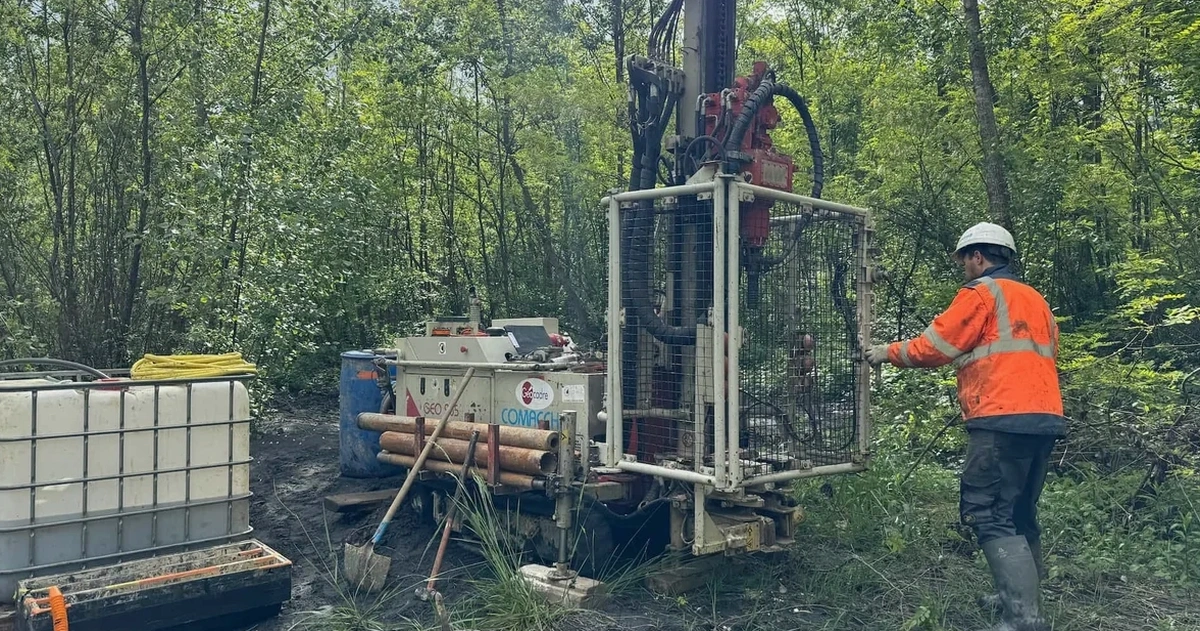
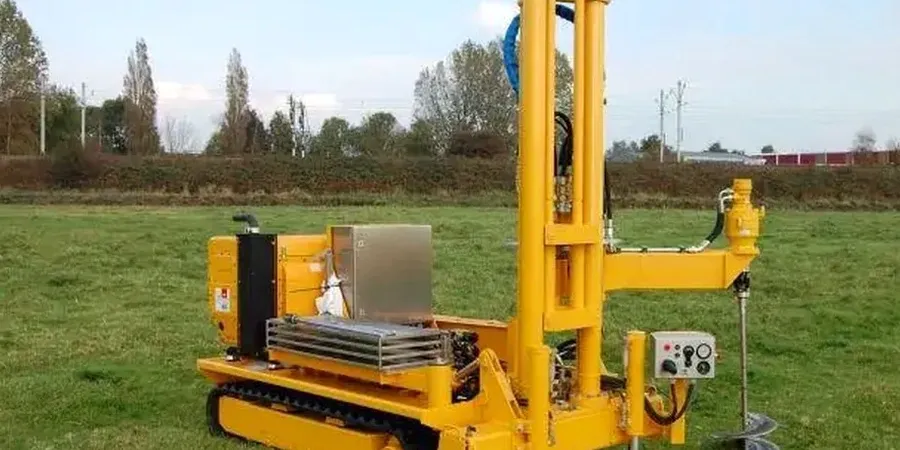
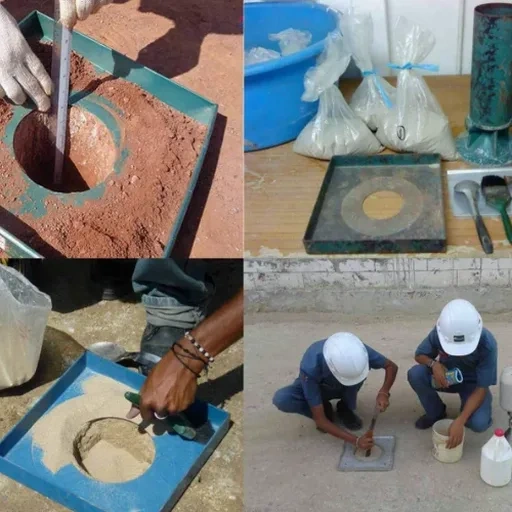
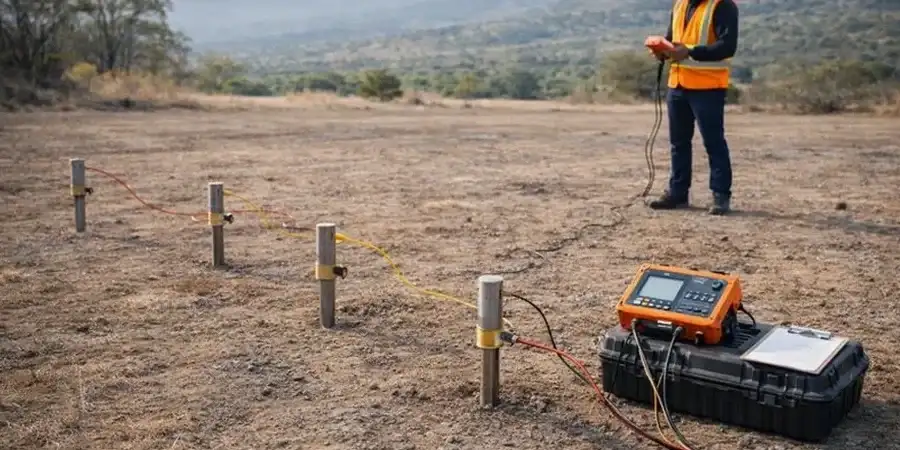
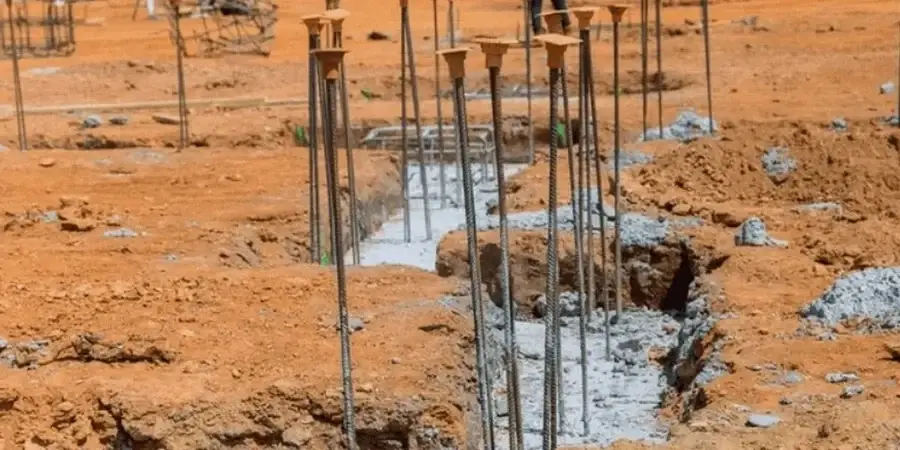
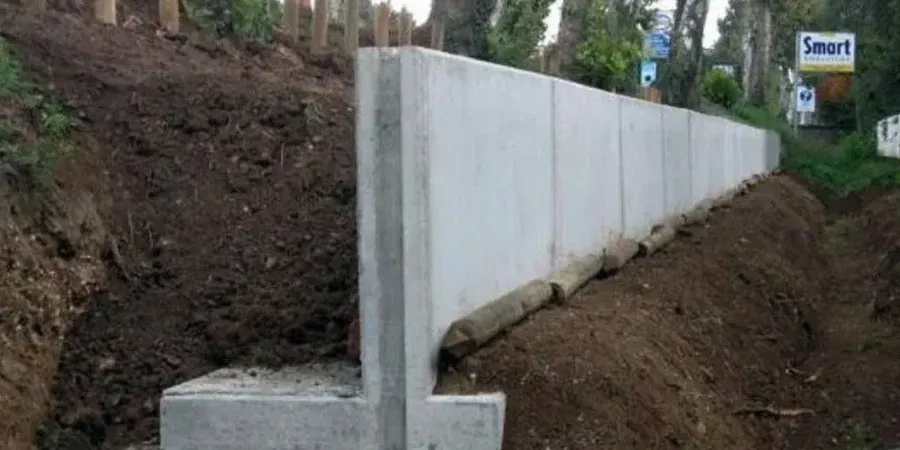
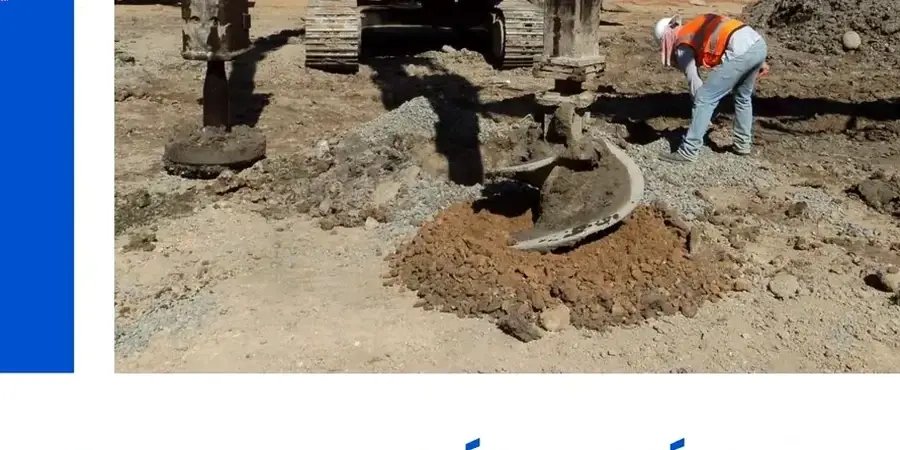
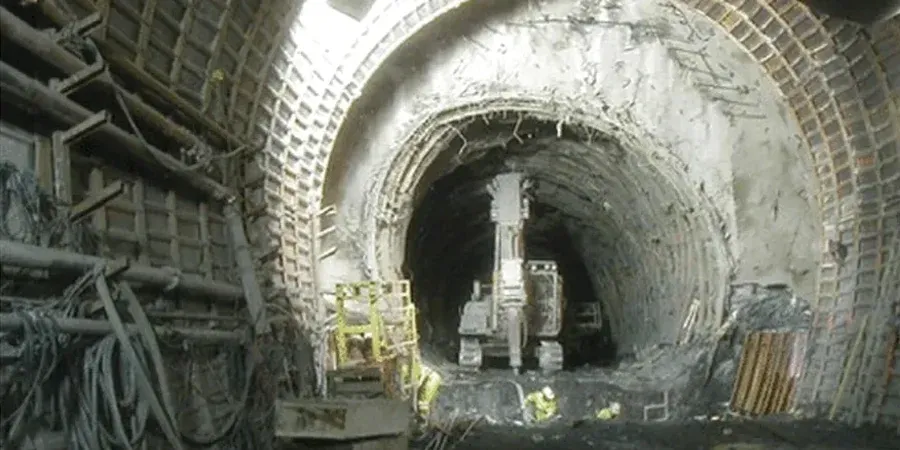
New York City sits on a geological patchwork shaped by the Wisconsin glaciation, with bedrock depths varying from exposed schist in Central Park to over 250 feet of compressible clay in parts of Brooklyn. The 7.7 million residents and infrastructure density demand soil mechanics studies that go beyond textbook parameters. In Manhattan, the Manhattan Schist provides excellent bearing capacity exceeding 40 tsf, yet just a few blocks away in the Financial District, deep alluvial deposits require careful consolidation analysis. Our team applies ASTM D2487 classification and triaxial shear testing to capture the real behavior of varved clays, glacial tills, and uncontrolled fill that define NYC subsurface conditions. A CPT test often supplements boring data in areas like the Lower East Side where soft organic silts demand continuous profiling, while seismic refraction helps map bedrock topography before shoring design begins.
A single misclassified silt layer in a New York City foundation report can trigger differential settlements exceeding 2 inches — enough to crack curtain walls on a 40-story tower.