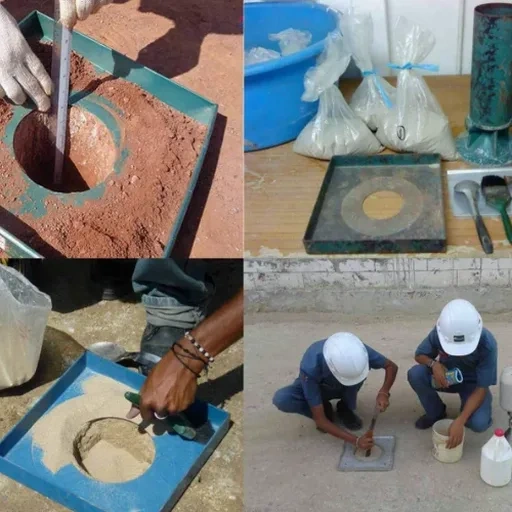
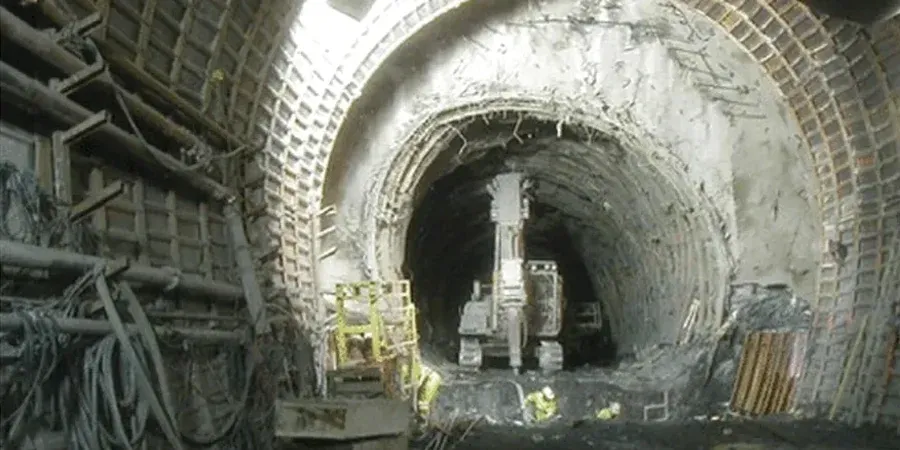
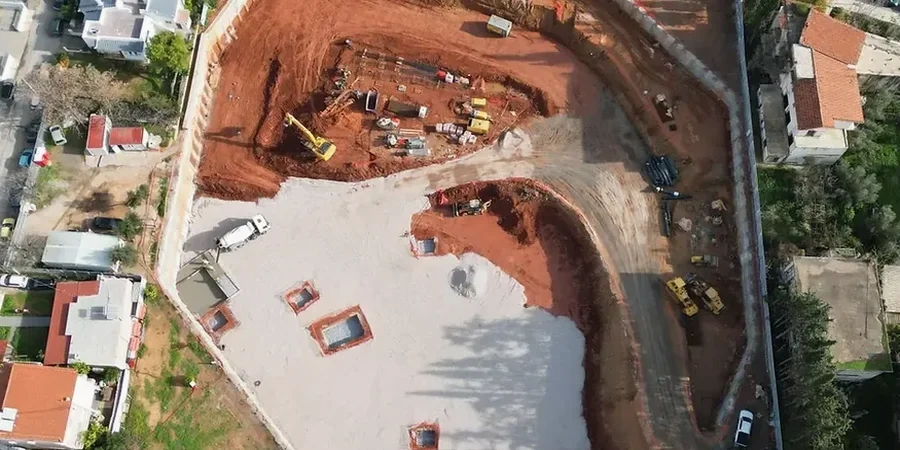
Manhattan schist isn't just a line in a geology textbook — it's the reason excavation costs swing wildly between Midtown and the Financial District. In New York, the depth to competent bedrock can shift from 15 feet in Central Park South to over 100 feet in parts of Tribeca, and that changes everything about shoring design, dewatering strategy, and sequencing. We've engineered support systems through glacial till, varved silts, and decomposed mica schist across all five boroughs. Before mobilizing a single excavator, the mass behavior of the ground needs to be understood — which is why our approach to deep excavation design in New York starts with a rigorous characterization of in-situ stresses, groundwater regime, and fracture orientation in the rock mass. A test pit program often reveals transition zones between fill and natural ground that borehole logs alone can miss.
In New York, the biggest risk in deep excavation isn't the depth — it's the variability of the ground between two adjacent lots, and the 100-year-old utility that nobody mapped.